Insured Arborist Service Reliable Support
Explore Key Arboriculture Techniques for Optimal Tree Care
Understanding tree care is important for ensuring ecological wellness. Key practices like pruning and mulching play significant roles in promoting tree vitality. Additionally, proper watering techniques are essential for new root growth. Yet, many people overlook the symptoms of sick trees and the importance of hiring professionals. Exploring these aspects can result in a better understanding for trees and their care. What steps can one take to make sure their trees flourish?
Grasping the Value of Healthy Trees
Knowing why tree health is crucial is vital, as trees are key players in maintaining ecological balance and improving city settings. Strong trees assist with air quality, give shelter, and support wildlife habitats. They also help mitigate global warming by capturing carbon, which makes them vital for environmental sustainability.
Within metropolitan areas, properly cared-for trees enhance the appearance, increase property values, and foster neighborhood health. Trees help diminish heat island effects in cities, resulting in reduced utility bills.
Failing to care for trees, conversely, can lead to illness, insect problems, and structural instability, creating dangers related resource to the trees and nearby structures alike. Therefore, identifying signs of a healthy tree, like the color of the leaves, growth patterns, and the state of the bark, is essential for effective management. Ultimately, promoting tree health helps more than individual landscapes but the wider ecological system, emphasizing the need for forward-thinking attention and management practices.
Vital Trimming Practices

Cutting branches is a vital method in tree care that promotes strong growth and vitality, as it gets rid of sick or dead limbs and boosts ventilation within the canopy. Using the right methods guarantees that trees can thrive in their environment.
An essential practice is "thinning," which involves selectively removing branches to enhance light penetration and reduce weight on weaker limbs. 'Tip pruning' is a common approach, where the terminal buds are removed to promote bushier growth, especially in young trees. Furthermore, the 'crown reduction' method lowers the overall height of a tree while preserving its inherent form.
Proper timing is crucial; pruning during the dormant season lessens the impact and optimizes healing. Tools should be sharp and clean to avoid damage and the spread of pathogens. Understanding these important pruning techniques is necessary for all tree specialists focused on preserving healthy and visually appealing trees.
Recognizing Typical Tree Ailments
What helps tree owners spot the symptoms of frequent ailments that put their trees at risk? Familiarity with key indicators is critical for prompt identification and intervention. Common indicators include leaves that are yellowing or drooping, suggesting potential fungal issues or a lack of necessary nutrients. Unusual growths, such as galls or cankers, can signal the presence of pests or pathogens that weaken the tree. In addition, bark shedding or sticky sap might suggest an infection that require immediate attention.
Owners must also monitor changes in tree structure, like premature leaf shedding or dead branches, suggesting a deeper, more serious issue. Looking out for insect attacks, for instance, sawdust or bark holes, is just as critical. By remaining vigilant and proactive, they can recognize these typical illnesses and seek appropriate remedies, ensuring their trees remain healthy and vibrant all year long.
Mulching's Importance for Tree Health
Mulching serves as an important practice in tree care, providing many advantages that foster robust growth and durability. It involves applying a layer of specific material types at the tree's base, helping to keep the soil damp, keeping weeds down, and moderating temperature fluctuations. This protective barrier doesn't just limit rivalry from unwanted vegetation but also enhances the aesthetic appeal of the landscape.
Moreover, materials like wood chips, like bark or wood chips, break down eventually, enriching the soil with crucial nutrients and bettering its texture. This continuous action helps roots establish and creates a more robust setting for the plant. Moreover, applying mulch helps stop the erosion of soil, maintaining the stability of the tree’s foundation. When applied correctly mulch must be distributed in a circular pattern, keeping it away with the trunk to stop decay. In summary, making mulching a part into tree care routines significantly aids to the sustained well-being of trees.
Effective Watering Techniques for Trees
Quality tree upkeep needs not only mulching but also appropriate watering techniques to ensure optimal growth and health. Trees, specifically new plantings, need consistent moisture to form solid root networks. It is vital to water deeply, as it helps roots push deeper where moisture is more consistent. Ideally, trees need roughly one inch of water per week, whether through rainfall or additional watering.
Watering should be done during the early morning hours to minimize water loss and disease caused by fungi. It is important to avoid overwatering, which often causes root decay and further problems. The soil should be checked for moisture before watering; if the top two inches are dry, it is time to provide water. Moreover, utilizing drip irrigation or drip irrigation offers a slow, constant flow of water, ensuring that trees receive adequate hydration without the danger of water runoff. Correct watering methods greatly contribute to the overall health of trees.
Hiring Professional Tree Services: Reasons and Necessity
When assessing the condition and aesthetics of a property, engaging expert tree care may prove essential for homeowners facing complex tree care needs. Professional arborists possess the expertise to assess tree health, recognize pathogens, and execute beneficial procedures. Professionals are familiar with local regulations concerning tree removal and maintenance, guaranteeing compliance and sidestepping fines
(Stillwater Tree Service)Property owners ought to hire experts when dealing with big trees, particularly those near structures or power lines, as incorrect care can lead to dangers. Additionally, trees requiring pruning for looks or well-being profit from the expertise of trained specialists who can perform careful trimming to stimulate new growth
Periodic maintenance, such as storm preparation and debris cleanup, need professional assistance to ensure site security and appearance. Ultimately, hiring certified arborists guarantees that trees receive ideal care, contributing positively to the entire outdoor space and real estate worth
Questions and Answers
How Can I Tell if My Tree Is Receiving Too Much Water?
Overwatering often leads to foliage turning yellow, wilting despite moist soil, decaying roots, and significant defoliation. Additionally, the presence of fungal growth at the tree's base may indicate inadequate water runoff and excess moisture.
When Should I Schedule for Tree Pruning?
The optimal period to prune trees is usually between late winter and the start of spring prior to bud break - Stillwater Tree Service. This timing promotes vigorous development and reduces the tree's strain, facilitating quick recovery and maturation
Is It Possible for Trees to Survive Major Storm Damage?
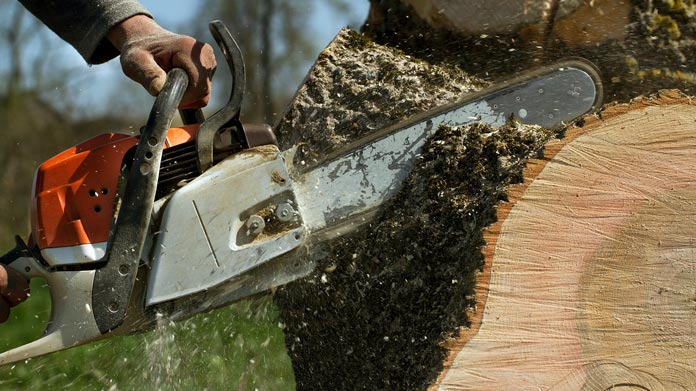
Absolutely, trees are capable of recovering from major storm damage. If maintained correctly, like trimming broken branches and supplying necessary moisture and food, most trees will recover their vitality and keep growing strong following a stressful event.
How Do I Choose the Right Mulch for My Trees?
When selecting appropriate mulch, one should consider organic materials such as shredded bark or wood chips, guarantee proper depth of 2-4 inches, and keep mulch away from the tree collar to prevent disease.
Are There Specific Trees That Require More Care Than Others?
Some species, such as fruit trees and newly planted specimens, require greater attention due to their sensitivity to environmental changes and unique feeding requirements. Frequent checking and specific upkeep methods are crucial for their well-being and flourishing.